What to Expect on Your First Day of Class 1A Training
Nervous about your first day behind the wheel of a tractor-trailer? Here is exactly how...

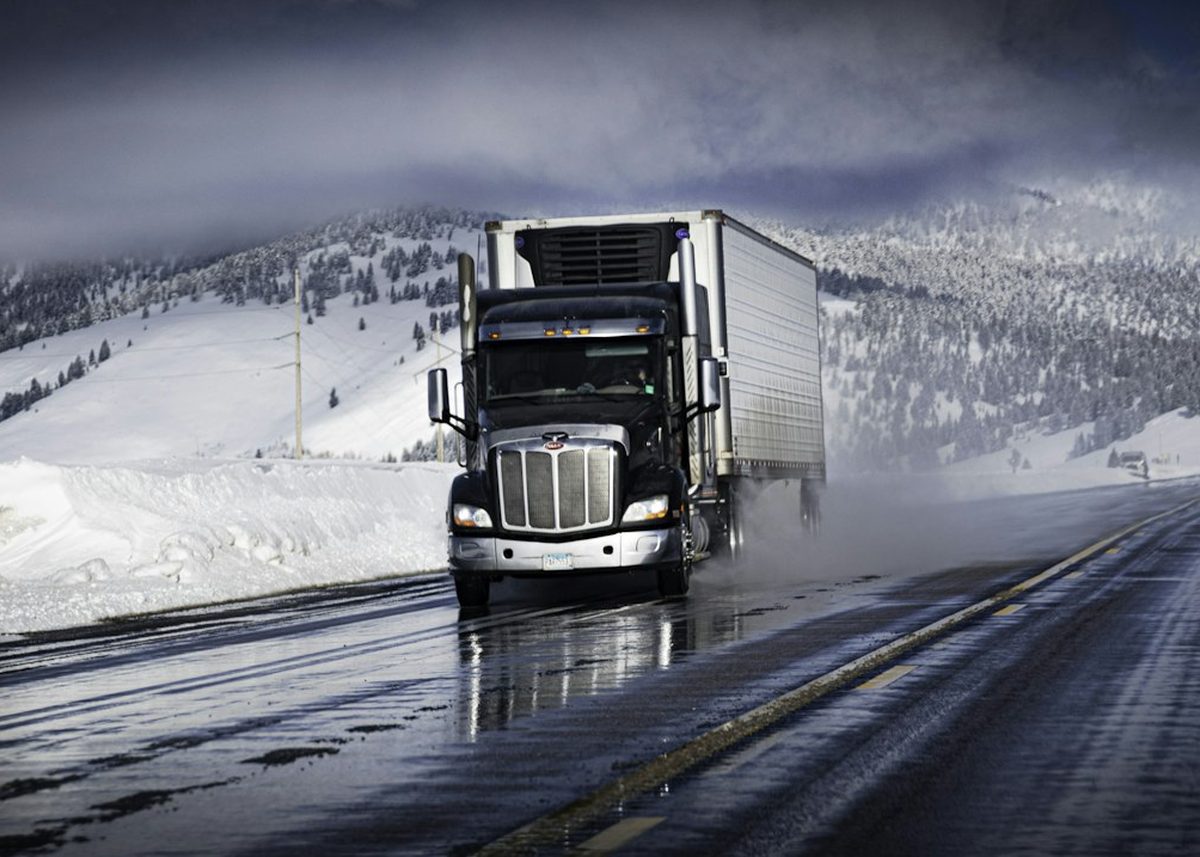
Ice, blowing snow and whiteouts are part of life on the Prairies. These habits help professional drivers get home safely when the temperature drops.
A Saskatchewan winter tests every driver, and a loaded tractor-trailer is far less forgiving than a passenger car. Stopping distances grow dramatically on ice, trailers can swing when traction is lost, and visibility can disappear in seconds on an open highway. Preparation and patience are the two best tools you have.
Winter problems often begin before you leave the yard. Make your pre-trip inspection even more thorough in cold weather:
The posted speed limit is for ideal conditions. On snow or ice, reduce your speed well below it and increase following distance to at least double what you would normally leave. Begin braking earlier, apply the brakes gently and avoid sudden steering. Smooth inputs keep the truck stable.
Bridges, overpasses and shaded sections freeze first. Road surfaces that look wet may actually be glazed with ice, particularly in early morning and after sunset. If the road looks shiny and the spray from other vehicles has stopped, treat it as ice. Avoid using cruise control or engine brakes on slippery surfaces, since either can cause the drive wheels to lose traction.
Stay calm. Ease off the accelerator, do not slam the brakes and steer gently in the direction you want the truck to go. Overcorrecting is the most common cause of a jackknife. Once the truck regains traction, you can brake lightly and recover.
Wind-driven snow on open prairie can erase visibility without warning. If you cannot see the road ahead, slow down, turn on your low-beam lights and hazard flashers and look for a safe place to stop, such as a rest area or an approach. Do not stop on the travelled portion of the highway unless you have no choice. Check road conditions and weather forecasts before departure and be willing to wait out a storm. No delivery is worth risking your life.
Always carry enough fuel, never let the tank run low and keep your phone charged. Dress in layers and bring extra clothing and food in case you are delayed. Let dispatch or a family member know your route and expected arrival.
Winter skills are best learned from experienced instructors. Our Class 1A and Class 3A training in Yorkton includes defensive driving and adverse-weather techniques designed for local conditions, so you graduate ready for the roads you will actually drive.
Nervous about your first day behind the wheel of a tractor-trailer? Here is exactly how...
The pre-trip inspection is the first skill every commercial driver learns and one of the...
How air brakes work, why they behave differently from the hydraulic brakes in your car,...
Give us a call or send an email and we'll help you pick the right course